Caldo de Res: Mexican Beef and Vegetable Soup
SOUTHERN ROOTS • MEXICO LIFE • A WORLD OF FLAVOR
A generous pot of tender beef, fresh vegetables, and a broth worth savoring.
There are some recipes that don’t need much fussing with, and caldo de res is one of them.
Living in Mexico has made me appreciate this kind of cooking even more. It’s simple, generous food built around good ingredients—a flavorful beef broth, tender meat, big pieces of vegetables, and fresh garnishes added at the table.
And that’s exactly how I wanted mine.
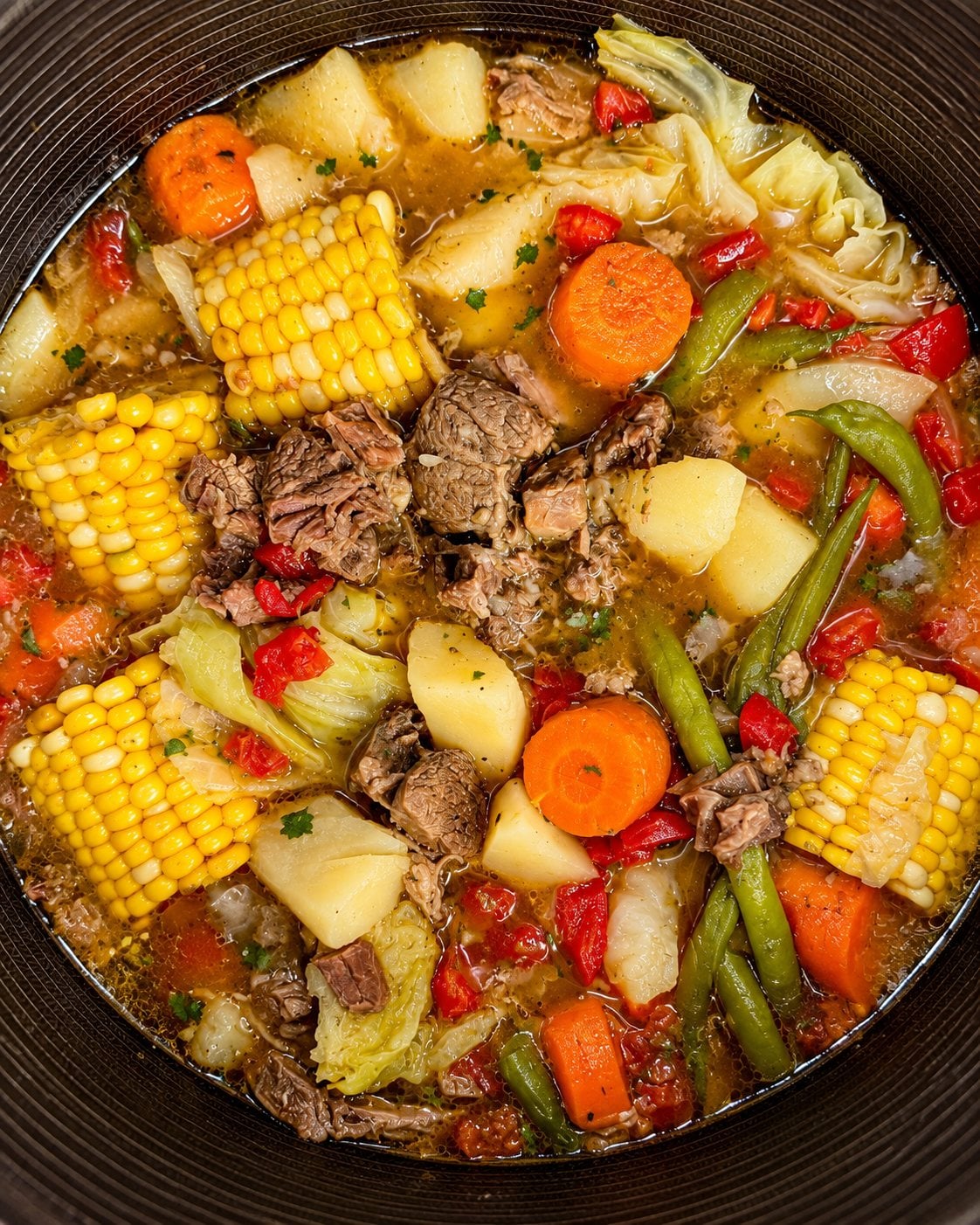
I didn’t want a heavy tomato broth or vegetables cooked until everything disappeared into the soup. I wanted the broth to stay clear and bright, with the beef providing the foundation and the vegetables still tasting like themselves.
The result is a beautiful pot of caldo de res that somehow manages to be hearty and fresh at the same time.
Building the Broth
The beef is where everything starts.
Beef shank is wonderful for caldo because the bone, marrow and connective tissue give the broth incredible flavor as it slowly simmers. Meaty beef ribs work beautifully too, and using a combination gives you an especially rich broth.
This isn’t a soup that needs a dozen seasonings. Salt, black pepper and epazote let the beef and vegetables do most of the work.
I also like a little jalapeño in the pot. I’m not trying to make the caldo fiery hot—I just want enough chile to give the broth a gentle warmth.
Keep the pot covered while the beef simmers so you don’t lose too much of that broth to evaporation. If the level gets lower than you’d like, add a little beef stock or water as needed.
The goal is tender beef, but I like to stop before it completely falls apart. I still want those beautiful pieces of meat in the bowl.
Add the Vegetables in Stages
This part matters. Potatoes, green beans and cabbage don’t cook at exactly the same rate, so don’t throw everything into the pot at once and hope for the best.
And the tomatoes go in near the end.
That was important to me. Adding fresh tomatoes late lets them soften and release some flavor without turning the broth into tomato soup. You still get that gorgeous freshness and color. That’s what keeps this caldo looking and tasting so bright.
The Garnishes Are Part of the Caldo
Don’t skip the table garnishes!
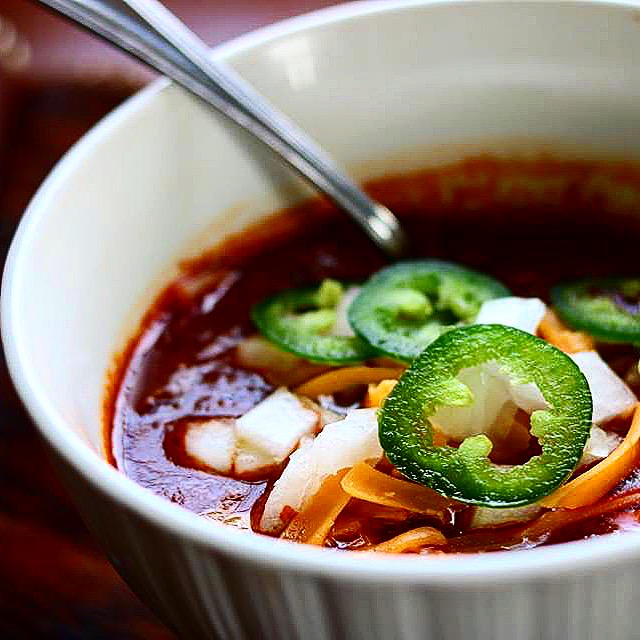
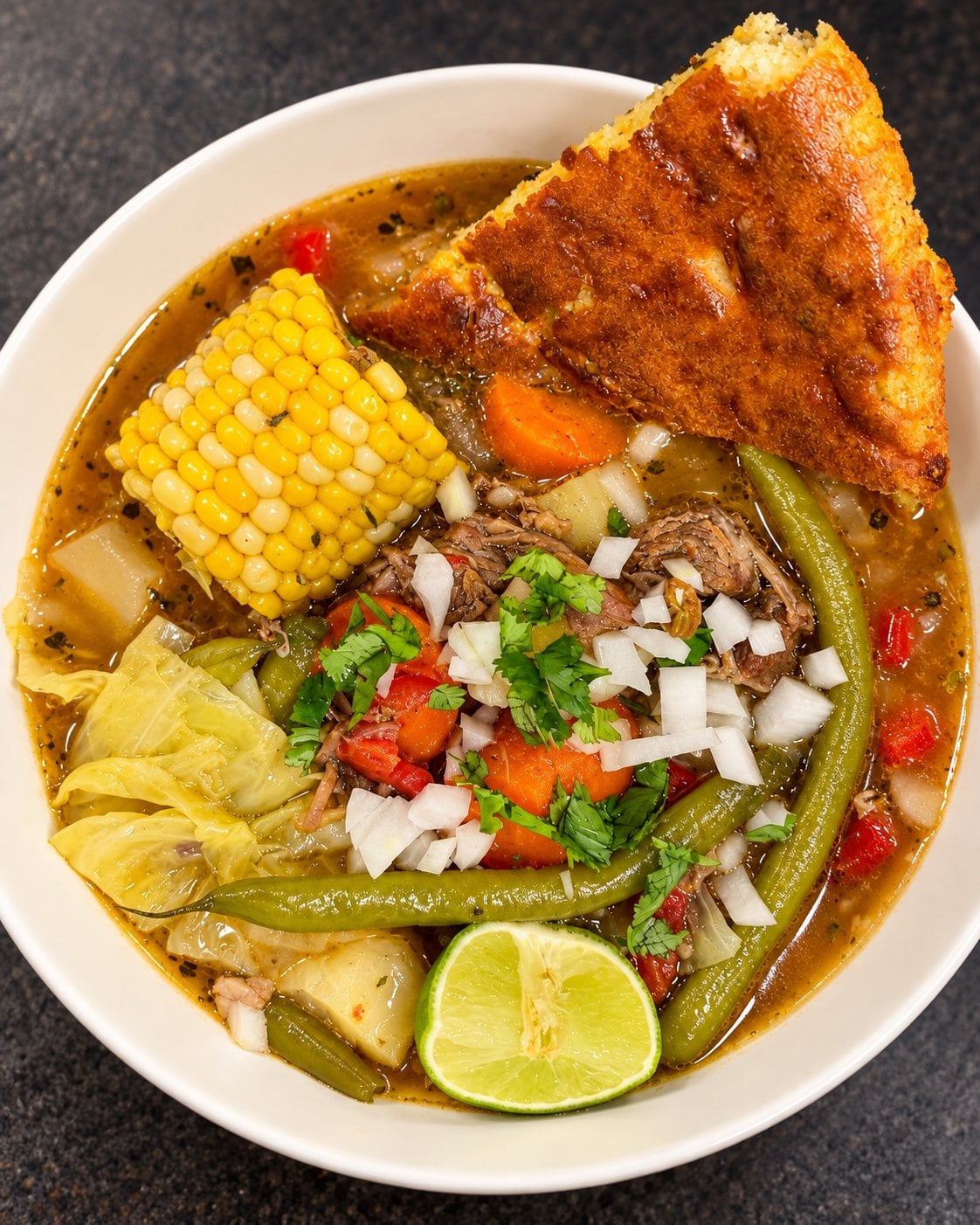
Set out chopped white onion, cilantro, lime wedges and thinly sliced fresh jalapeño and let everyone finish their own bowl. A squeeze of lime wakes up the entire broth.
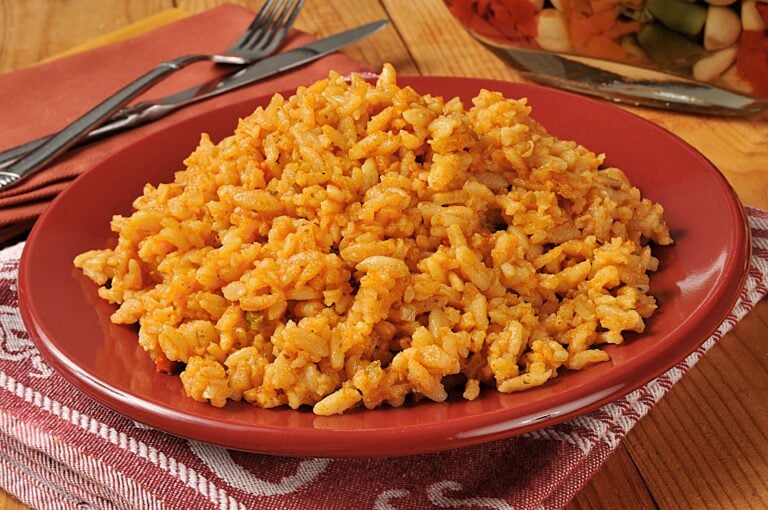
I also love caldo de res with Mexican rice. You can serve the rice alongside the soup or put a spoonful right into your bowl—which is probably what I’m going to do.
This is the kind of meal I love: one big pot in the middle of the table, bowls filled with beef and vegetables, and everybody making theirs exactly the way they like it.
FROM REBECCA’S KITCHEN
Caldo de Res
Mexican Beef and Vegetable Soup
A traditional-style Mexican beef soup with tender beef, potatoes, cabbage, green beans and fresh tomatoes in a clear, deeply flavorful broth. Serve it with plenty of onion, cilantro, lime and fresh jalapeño.
Serves: About 6–8 • Prep: 20 minutes
Cook: About 2½–3 hours
Total: About 3–3½ hours
Ingredients
- 3–4 pounds meaty beef shank, beef ribs, or a combination
- Water, enough to generously cover the beef
- 1 cup beef stock, plus more if needed
- Salt, to taste
- Freshly ground black pepper, to taste
- Epazote, to taste
- 1 jalapeño, left whole for mild heat or split for a little more
- 3 medium potatoes, cut into large chunks
- 8 ounces fresh green beans, trimmed
- ½ medium head cabbage, cut into large wedges or chunks
- 2–3 fresh tomatoes, cut into large pieces
For Serving
- Finely chopped white onion
- Chopped fresh cilantro
- Lime wedges
- Thinly sliced fresh jalapeño
- Mexican rice, optional
Instructions
- Start the beef.
Place the beef in a large stockpot or Dutch oven and add enough water to generously cover it. Season with salt and freshly ground black pepper.
- Bring it to a gentle simmer.
Bring the liquid just to a boil, then immediately reduce the heat. Skim away any foam or impurities that rise to the surface. This helps keep the finished broth clear.
- Build the broth.
Add the epazote and jalapeño. Cover the pot and simmer gently until the beef is becoming tender, about 1½–2 hours depending on the cut and size of the pieces. Avoid a hard boil. A slow, gentle simmer develops flavor while helping the broth remain clear.
- Watch the liquid level.
Keep the pot covered as much as possible to reduce evaporation. If the liquid gets lower than you want, add about 1 cup of beef stock, or enough stock or water to bring the broth back to the desired level.
- Add the potatoes.
When the beef is tender but not yet falling apart, add the potatoes. Simmer for about 10 minutes before adding the remaining vegetables.
- Add the green beans and cabbage.
Add the green beans and cabbage and continue simmering until the vegetables are tender but still hold their shape, about 10–15 minutes.
- Add the tomatoes last.
When the other vegetables are nearly done, add the fresh tomatoes. Simmer just until they soften and begin releasing some of their flavor into the broth, about 5–10 minutes. Don’t cook them to pieces. The fresh tomato is part of what keeps this caldo bright.
- Taste and finish.
Taste the broth and adjust the salt and black pepper as needed. Remove the whole jalapeño if desired.
- Serve.
Ladle the beef, vegetables and plenty of hot broth into large bowls. Set out chopped white onion, cilantro, lime wedges and sliced fresh jalapeño so everyone can garnish their own bowl. Serve Mexican rice alongside, or add a spoonful directly to the caldo.
What to Serve with Caldo de Res

For me, Mexican rice is the natural choice. A spoonful in the bowl catches that wonderful beef broth, while lime, cilantro, onion and jalapeño make every bite taste fresh.
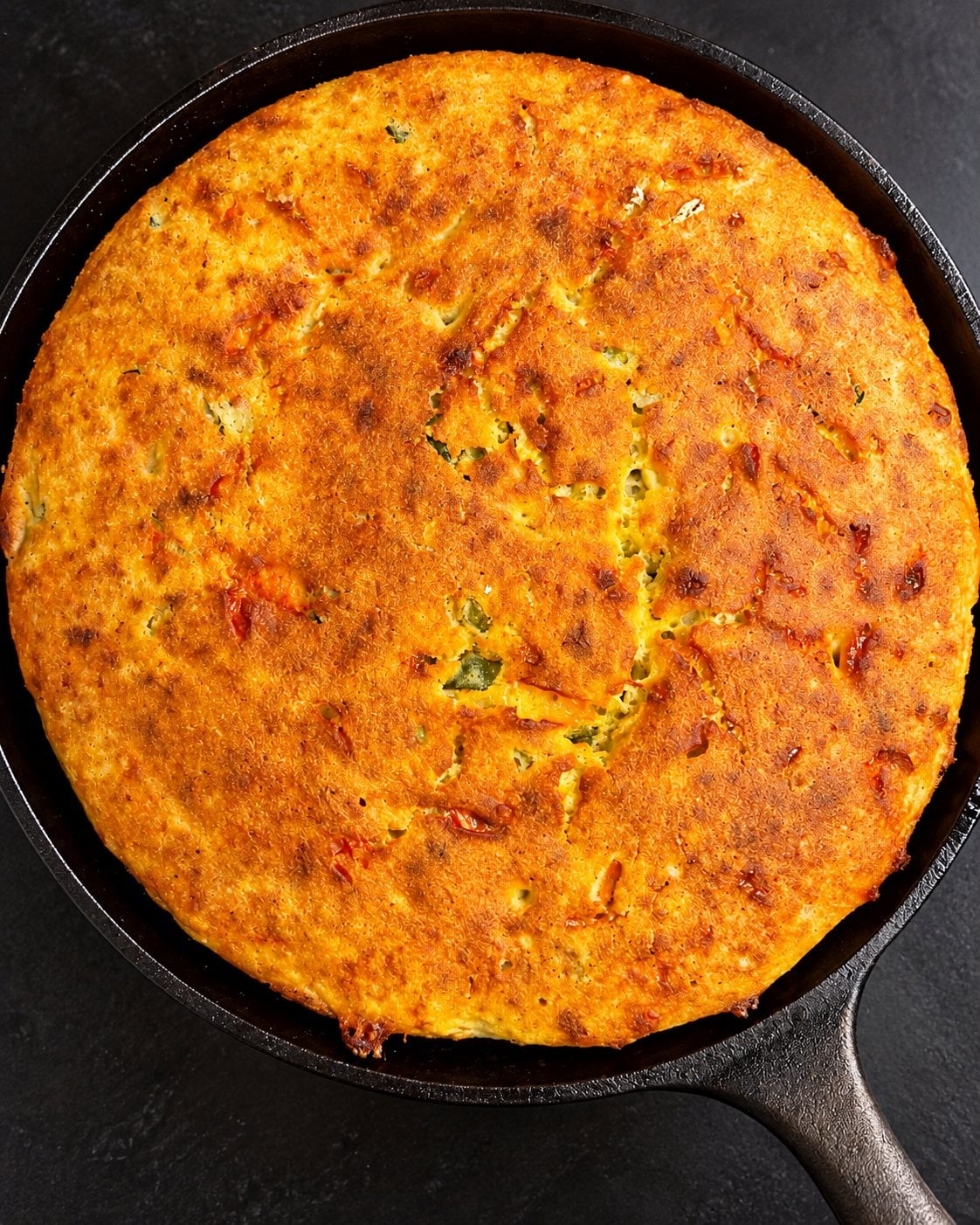
And if there happens to be warm jalapeño cornbread made with masa on the table—slathered with butter—I certainly wouldn’t turn that down.
That cornbread came about for exactly the same reason I love cooking here in Mexico: sometimes you use what you can find, make it your own, and end up with something worth making again.
With love from my kitchen,
Rebecca